
Spotting Basement Water Damage in Ohio: What to Look For, Why It Happens, and How to Fix It
Water damage in Ohio basements often starts subtly, weakening your home’s structure and creating a breeding ground for mold that’s bad for your health and your home’s value. This guide will show you how we find moisture problems, figure out what’s causing them, and suggest ways to prevent them. You’ll learn about common signs like water stains, powdery residue, cracks in the foundation, and how our advanced waterproofing services can help. We’ll cover the most common indicators, root causes, how you can check for issues yourself, the benefits of professional assessments, and the custom solutions offered by Rite Basement Waterproofing Canton Ohio. As your dedicated basement waterproofing company, we are committed to providing comprehensive basement solutions.
Common Signs of Basement Water Damage in Ohio
Basement water damage shows up in ways you can see, smell, and feel, all pointing to moisture getting in and pressure pushing against your foundation. Catching these early signs means you can fix the problem before it gets worse. Our team of basement waterproofing experts is adept at identifying these subtle indicators.
Musty Odors Indicate Basement Moisture Problems
That persistent damp, musty smell in your basement is usually mold and mildew breaking down organic materials, which means the humidity is too high, likely over 60%.
- Mold spores love damp places and multiply quickly.
- As materials decay, they release smelly compounds into the air.
- If your basement isn’t well-ventilated, stale, damp air gets trapped.
These smells are often your first warning before you see any mold. It’s time to get the humidity under control and look for hidden leaks. If you suspect a flooded basement, don’t hesitate to contact us.
Water Stains Reveal Basement Leaks in Canton Ohio
Brown or yellowish marks on your basement walls and floors are a sign that water has been seeping in for a while, finding its way through cracks or porous concrete. These stains show us where the moisture is coming from.
- Streaks running horizontally often mean water is being pushed in by pressure from below.
- Round marks or drips point to active leaks.
- Rings or borders around stains can indicate how high the water level gets seasonally.
Keeping track of where these stains appear helps pinpoint the source of leaks, guiding us on how to best repair cracks and waterproof your basement. Our basement waterproofing contractor uses these visual cues to diagnose issues effectively.
Recognizing Mold and Mildew Growth in Your Basement
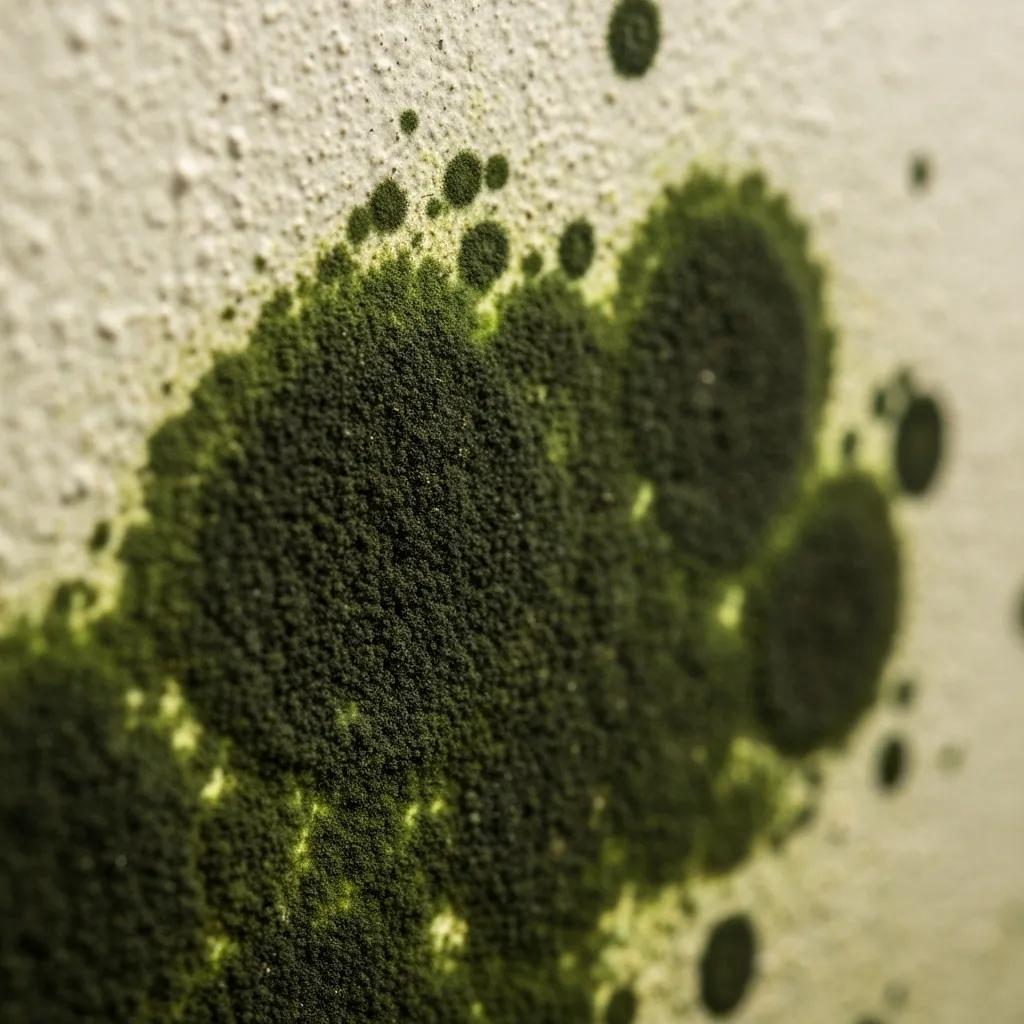
You’ll see mold as fuzzy patches of black, green, or white on damp surfaces. It’s not just unsightly; it can also cause health problems like asthma and allergic reactions.
- Mold thrives in humidity levels above 60%.
- Mildew can form a coating on paint, wood, and fabrics.
- It often hides in dark corners or behind stored items.
If you spot mold early, clean it up, improve air circulation, and find the source of the moisture to stop it from coming back.
Efflorescence Signals Water Intrusion
Efflorescence looks like a white, powdery or crystalline deposit on concrete or brick. It happens when water seeps through the material, dissolves salts within it, and then evaporates, leaving the salts behind.
- This salt deposit shows that water is repeatedly wetting and drying the surface.
- It often appears along mortar lines and has a fine, powdery texture.
- If it keeps coming back, it suggests that groundwater pressure is actively pushing water into the wall.
Finding efflorescence helps us identify areas where water is penetrating, which might need interior drainage or exterior waterproof coatings.
Foundation Cracks Affect Basement Water Damage
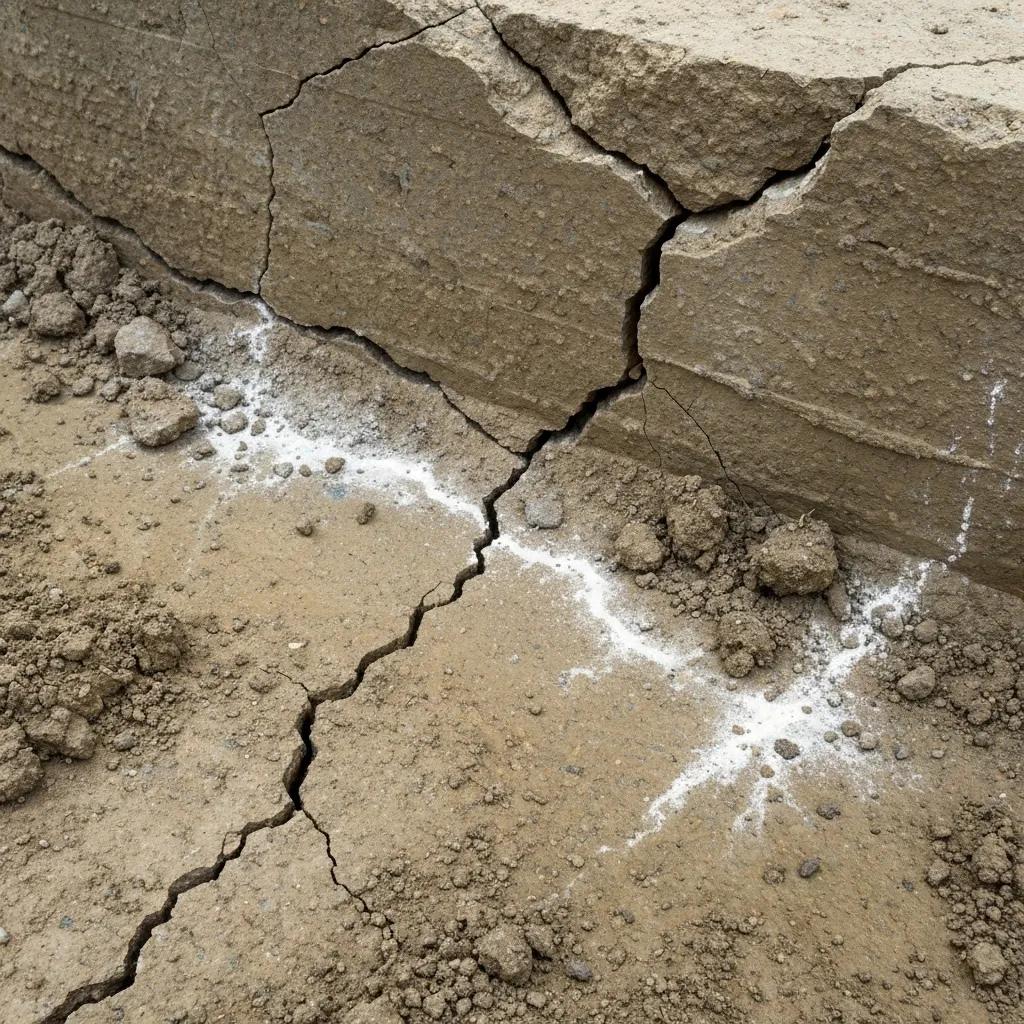
Cracks in your foundation act like direct pathways for water, especially when there’s pressure from the soil. This seepage can cause walls to bow inward and weaken the overall structure.
- Even tiny hairline cracks can let moisture vapor seep through.
- Larger cracks can allow significant amounts of water to enter.
- In block walls, cracks that look like stairs often indicate the foundation is shifting or settling unevenly.
Mapping out where these cracks are helps us choose the right repair method, whether it’s injecting epoxy or reinforcing with carbon fiber. Our professional basement waterproofing approach ensures these issues are addressed comprehensively.
Other Early Warning Signs Include Peeling Paint and Damp Spots
Paint that’s peeling or bubbling, wallpaper that’s lifting at the seams, and damp patches on walls or floors are all signs that moisture is trapped behind the surface, damaging finishes.
- Moisture gets behind paint, causing it to lose its grip and peel away.
- Dampness can cause wallpaper to separate from the wall.
- You might feel cold spots on walls, indicating that the insulation behind them is wet.
These cosmetic issues often point to bigger moisture problems that need a thorough waterproofing check.
Bowing Walls and Pests Indicate Serious Basement Issues
When basement walls start to bow or bulge inward, it’s usually due to constant pressure from the soil outside. This can lead to cracks and create openings for pests like insects and rodents looking for a damp place to live.
- If a wall is deflecting inward by more than 1/4 inch, it’s a serious concern.
- Gaps and cracks can become entry points for pests.
- Seeing pests like ants or termites near your foundation can be a clue to hidden leaks.
Bowing walls need to be stabilized structurally and professionally waterproofed to restore the foundation’s strength and keep pests out.
Primary Causes of Basement Water Damage in Ohio Homes
Water damage in basements happens for a variety of reasons, including the type of soil in Ohio, how the house is built, and issues with plumbing or drainage systems. Understanding these causes helps us plan the best way to prevent and fix the problems. At Rite Basement Waterproofing Canton Ohio, we offer tailored basement waterproofing solutions.
Hydrostatic Pressure Contributes to Basement Leaks in Canton
Hydrostatic pressure builds up when groundwater collects around your basement walls. This pressure forces water through tiny pores and cracks in the concrete, especially in the clay-heavy soils common around Canton. Our team specializes in basement waterproofing Canton Ohio, effectively mitigating this pressure.
- When it rains a lot, the soil gets saturated, raising the groundwater level.
- This water exerts force on your foundation walls.
- The soil can expand when wet, putting even more pressure on the foundation and potentially widening existing cracks.
Ohio’s Soil and Foundation Issues
Much of Ohio is built on silty clay loam, a soil type known for expansive reaction to moisture, swelling when wet and shrinking when dry. This can lead to slab settling and foundation damage. Seasonal water table fluctuations and freeze-thaw cycles exacerbate these issues, increasing the risk of water damage.
This information highlights how Ohio’s soil can cause foundation problems, which directly relates to why basements in the area are susceptible to water damage.
Poor Drainage and Grading Are Leading Causes of Water Intrusion
If the ground around your house slopes toward the foundation instead of away from it, rainwater and snowmelt will flow directly towards your basement walls. This can cause erosion and let water pool at the base of your foundation.
- Downspouts that don’t extend far enough away from the house dump water right next to the foundation.
- Hard, compacted soil doesn’t absorb water well, so it runs off towards the house.
- If the ground is flat or slopes inward, water will naturally collect there.
Fixing the slope of your yard and installing drainage systems like French drains can redirect water away from your foundation.
Sump Pump Failure Leads to Basement Flooding
If your sump pump isn’t working correctly or isn’t powerful enough, it can’t pump out the groundwater that collects around your foundation. This can lead to your basement flooding, especially during heavy rain. We provide reliable basement waterproofing services to prevent such occurrences.
- If the power goes out and your sump pump doesn’t have a battery backup, it won’t run.
- Debris can clog the pump’s intake, making it less effective.
- If the pump isn’t rated to handle the amount of water entering the pit, it can overflow.
Regular maintenance, choosing a high-capacity pump, and having a backup system are key to ensuring your basement stays dry.
Foundation Issues Play a Role in Basement Water Damage
When your foundation settles, shifts, or cracks, it creates openings for water to get in. These issues can worsen existing leaks and lead to more significant water problems.
- If the soil under your foundation isn’t stable, it can cause uneven settling.
- The clay soil in Ohio expands and contracts with moisture changes, stressing the foundation.
- If the soil wasn’t properly compacted when the house was built, it can lead to shifting later on.
Addressing foundation problems, whether through underpinning or installing piers, is crucial for restoring stability and sealing off pathways for water.
Plumbing Leaks Affect Basement Moisture Levels
Even small, hidden leaks in your water supply lines, drain pipes, or connections to appliances can significantly increase humidity in your basement. These leaks can create damp spots that might be mistaken for general moisture issues.
- Tiny pinhole leaks can slowly saturate the soil around the pipe.
- Condensation can form on cold water pipes and drip onto the floor.
- Leaks from water heaters or washing machine hoses often go unnoticed for a long time.
Using tools like moisture meters and thermal cameras can help detect these hidden leaks early, allowing for prompt plumbing repairs before mold can start to grow.
Ohio’s Weather Impacts Basement Water Damage Risks
Ohio experiences a range of weather conditions throughout the year—from spring thaws and heavy summer rains to the effects of freezing and thawing in winter. These extremes put stress on foundations and can raise groundwater levels, increasing the chances of water getting into your basement.
- When snow melts quickly in the spring, the ground can become saturated.
- Heavy downpours in the summer can overwhelm drainage systems.
- The cycle of freezing and thawing in winter can cause cracks in the foundation to widen.
Being aware of these seasonal changes and performing regular maintenance can help you anticipate potential moisture problems and schedule protective services when needed.
Detecting Hidden Basement Leaks in Canton Ohio
Sometimes, water problems aren’t obvious. You might need to do some detective work with simple tools and careful observation to find hidden leaks before they cause major damage. Our team is skilled in detecting even the most elusive leaks.
DIY Techniques for Identifying Basement Water Damage
You can find leaks yourself using basic tools and methods without needing professional equipment.
- Use a moisture meter along your walls and floors to get readings and compare them.
- Scan surfaces with a thermal camera to spot cooler areas that might indicate wetness.
- Do a “flood test” by running water near your downspouts and checking the grading to see if any water seeps in.
These steps can help you uncover hidden moisture paths and plan your repairs.
Using Visual and Sensory Clues to Spot Hidden Moisture Problems
Using your eyes, nose, and even touch can help you find moisture issues that are hidden behind walls or in out-of-the-way places.
- Gently press on walls to see if the plaster feels soft or damp.
- Use a small camera (borescope) to look inside wall cavities.
- Follow any musty smells to find the source of hidden mold.
These sensory checks, combined with meter readings, give you a more complete picture of where moisture might be hiding.
When to Call a Professional for a Water Damage Inspection
You should call in the experts if your own checks suggest widespread water seepage, if you notice signs of structural problems, or if you suspect mold is causing health issues.
- If the humidity stays high (over 65%) even after you try to ventilate.
- If you see different types of cracks appearing at the same time.
- If you notice walls bowing or significant amounts of efflorescence.
Professional inspections provide detailed analysis and customized solutions that go beyond what DIY methods can achieve.
How Rite Basement Waterproofing Canton Ohio Conducts Expert Inspections
Our technicians at Rite Basement Waterproofing Canton Ohio use advanced tools like hydrostatic pressure gauges and infrared cameras, along with thorough structural assessments, to pinpoint exactly where moisture is coming from and recommend the best fixes. We are experts in basement waterproofing Canton Ohio, ensuring thoroughness.
- We provide detailed reports before and after our inspections.
- We offer free, no-obligation estimates with a breakdown of our findings.
- We create personalized repair plans that may include both interior and exterior waterproofing methods.
This careful approach ensures we accurately identify the problem and provide protection that lasts.
Effective Basement Waterproofing and Repair Solutions in Ohio
Using proven waterproofing methods and fixing structural issues will stop water from getting in and prevent it from coming back, protecting your home and your family’s health. Rite Basement Waterproofing Canton Ohio offers a full range of basement waterproofing solutions.
Basement Waterproofing Prevents Future Water Damage
Interior waterproofing systems work by creating a channel for groundwater to flow into a collection system, directing it to a sump pit and then out of your foundation before it can reach your living space.
- Drainage systems around the perimeter relieve pressure from groundwater.
- Waterproof membranes act as a barrier to stop moisture from seeping through walls.
- Sump pumps efficiently remove the collected water.
These combined methods stop water from entering your basement and keep it dry all year.
Foundation Repair Is Necessary to Stop Water Intrusion
Foundation repair is needed when problems like shifting soil or settling cause cracks that are too large for simple surface treatments to fix effectively.
- Bowed walls may need reinforcement with carbon-fiber straps.
- Deep cracks might require epoxy injection or the installation of helical piers.
- Uneven settling of the foundation may necessitate underpinning.
Stabilizing the foundation restores its structural integrity, allowing waterproofing systems to work as intended.
Sump Pump Installation Protects Your Basement
Installing a high-capacity sump pump system under your basement floor intercepts rising groundwater before it can flood your living areas. The pump automatically discharges the water away from your home.
- Automatic float switches turn the pump on when the water level reaches a certain point.
- Battery backup systems ensure the pump continues to operate during power outages.
- Alarm systems can alert you if the pump malfunctions.
A well-designed sump pump system provides continuous protection against flooding, even during severe weather.
Benefits of Interior Drainage Systems in Ohio Basements
Interior drainage channels installed along the base of your basement walls collect any water that seeps in and direct it to a sump pump system. This reduces pressure on the walls and prevents water from pooling on the floor.
- These low-profile channels don’t take up much space and keep your floor usable.
- Waterproof coatings on the basement walls help block moisture.
- Integrated sump pumps handle the water that’s collected.
Interior systems offer effective drainage without the need for extensive excavation outside your home.
Crawl Space Encapsulation Controls Moisture
Encapsulating your crawl space with heavy-duty plastic sheeting and sealing off vents prevents moisture from the soil below from evaporating into your home. This helps reduce humidity and prevent mold growth.
- Vapor barrier membranes cover the walls and floor of the crawl space.
- Sealing the rim joist area improves insulation and energy efficiency.
- Using a dehumidifier can help maintain humidity levels below 55%.
This process works alongside basement waterproofing to create a comprehensive moisture control strategy for your entire home.
Crack Repair Options for Basement Walls
We offer various crack repair methods, from simple hydraulic cement patches for minor cracks to advanced epoxy injections for larger, structural issues. The best method depends on the size and type of crack.
Early Identification and Professional Assessment Are Crucial for Ohio Basements
Putting off the detection and repair of water damage can lead to higher costs, health risks, and permanent structural damage, ultimately affecting your home’s safety and value. Our basement waterproofing experts emphasize the importance of timely intervention.
Risks of Ignoring Basement Water Damage Signs
If you don’t address moisture problems in your basement, mold can spread, wood can rot, structural elements can weaken, and the air quality in your home can suffer. This increases health risks and leads to more expensive repairs down the line.
- Mold spores can trigger or worsen respiratory problems.
- Rust can form on steel supports, weakening them.
- Damage to floors and walls can significantly decrease your home’s value.
Taking action early can prevent these issues and protect your home’s integrity.
Early Detection Saves Money on Repairs
Catching moisture problems when they are small prevents them from turning into major issues like foundation failure, which can require extensive and costly repairs. Early detection can save you up to 70% on repair costs.
- Fixing small cracks directly is much cheaper than rebuilding a whole wall.
- Addressing mold early prevents the need for widespread remediation.
- Regular maintenance can extend the life of your equipment, saving on replacement costs.
Acting quickly ensures that repairs are more affordable and effective in preserving your basement.
Rite Basement Waterproofing Canton Ohio Is a Trusted Local Expert
As a local company with many years of experience specifically in basement waterproofing, Rite Basement Waterproofing Canton Ohio uses special testing methods, high-quality materials, and offers strong warranties to ensure lasting results and happy customers. Our experienced basement waterproofing Canton Ohio team is dedicated to your satisfaction. We are your trusted basement waterproofing contractor.
- We provide free inspections and estimates with no obligation.
- Our technicians are licensed, insured, and trained in the latest techniques.
- We offer an industry-leading 25-year transferable warranty on our work.
Our dedication to quality and our commitment to the community make us Canton’s go-to choice for keeping basements dry.
Get a Free Water Damage Inspection in Canton
To schedule a free, thorough inspection of your basement, you can call our local office or fill out our easy online request form. Our certified experts will respond quickly and provide a clear, detailed assessment at no charge. We offer professional basement waterproofing inspections to identify all potential issues.
- We offer flexible appointment times, including weekends.
- You’ll receive a digital report with photos of our findings.
- There’s no pressure to commit, and no hidden fees.
Preventing Future Basement Water Damage for Ohio Homeowners
By taking proactive steps and managing the environment around your home, you can significantly reduce the chances of future water problems, keeping your basement dry and your waterproofing system working effectively for years to come. Our goal is to provide lasting basement waterproofing solutions.
Top Maintenance Tips to Keep Basements Dry
Regularly maintaining your drainage systems, mechanical equipment, and controlling indoor moisture levels are key to preventing water intrusion and mold growth.
- Clean your sump pump’s filter and test its backup battery every three months.
- Check your downspouts to make sure they direct water at least five feet away from your foundation.
- Keep your dehumidifier set to maintain relative humidity between 45% and 55%.
These routine checks help ensure your basement stays in optimal condition throughout the year.
Proper Drainage and Grading Protect Your Basement
Ensuring that the ground around your home slopes away from the foundation directs surface water away from your basement walls. This helps prevent erosion and reduces the pressure of groundwater against your foundation.
- Make sure your gutter downspouts extend far enough to discharge water away from the house.
- Regrade any compacted soil to create a gentle slope away from the foundation.
- Consider installing French drains in areas where water tends to collect.
Effective grading creates a natural barrier that helps protect your foundation from moisture.
Regular Sump Pump Maintenance Is Essential
Regularly checking your sump pump ensures it will work when you need it most, especially during heavy rain or snowmelt when groundwater levels rise. This prevents system failures that could lead to flooding. We offer comprehensive basement waterproofing services that include sump pump checks.
- Check that the float switch moves freely every month.
- Clean the pump’s intake screen every six months.
- Test the alarm and backup systems before the storm season begins.
Consistent maintenance extends the life of your sump pump and guarantees reliable flood protection.
Seasonal Weather Changes Affect Basement Moisture
The changing seasons in Ohio bring different conditions—like spring thaws, heavy summer rains, and winter freeze-thaw cycles—that can impact groundwater levels and humidity. You need to adjust your moisture control strategies accordingly.
- Spring thaws can cause a rapid rise in the water table.
- Intense summer storms can lead to large amounts of surface water runoff.
- Winter’s freeze-thaw cycles can cause existing cracks in foundation walls to expand.
Keeping an eye on the weather forecast and adjusting your preventive measures helps keep your basement protected year-round.
Additional Steps to Control Basement Humidity and Mold
Beyond waterproofing, using air quality controls can help manage any remaining moisture and prevent mold from growing.
- Install energy-efficient dehumidifiers that are appropriately sized for your basement’s volume.
- Seal off openings to closets and laundry rooms to prevent mold spores from spreading.
- Use mold-resistant paints on your basement walls.
These combined strategies help maintain a healthy, dry environment and complement your structural waterproofing solutions.
Local Factors Make Basement Water Damage Unique in Canton Ohio
The specific geology and building regulations in Canton create unique moisture challenges and require tailored solutions that might differ from other parts of Northeast Ohio. Rite Basement Waterproofing Canton Ohio understands these local nuances.
Basement Water Damage in Canton, Ohio
Canton, Ohio, is prone to basement water damage due to factors like clay-rich soil, heavy rainfall, and freeze-thaw cycles. These conditions contribute to hydrostatic pressure and foundation stress, increasing the risk of water intrusion. Recognizing the signs of water damage and understanding the causes are crucial for effective prevention and repair. We are your local basement waterproofing experts.
Canton’s Soil Composition Affects Basement Water Intrusion
The clay-heavy, low-permeability soils in Canton tend to hold water close to foundations. This increases the lateral pressure from groundwater, which can force water through even small imperfections in basement walls.
- Clay soils can expand significantly when they get wet, putting pressure on foundations.
- The soil doesn’t drain naturally very well, meaning it stays saturated for longer periods.
- This soil movement can cause tiny cracks to form in the foundation.
Understanding how the local soil behaves helps us design waterproofing systems that can handle seasonal expansion and contraction.
Weather Patterns Increase Basement Flood Risks in Northeast Ohio
Northeast Ohio frequently experiences heavy rains in the spring and sudden, intense thunderstorms in the summer. These weather events can produce large volumes of both surface water and groundwater, often overwhelming standard drainage systems. A flooded basement is a serious concern we address proactively.
- Rainfall from April through June can average over 12 inches.
- Short, powerful storms can cause rapid runoff that overwhelms gutters and drains.
- Snowmelt in the spring often combines with rainfall, leading to saturated ground.
These conditions require robust waterproofing systems and high-capacity sump pumps designed to handle peak water flow.
Local Building Codes Influence Waterproofing Solutions
Canton’s building codes specify certain requirements for exterior waterproofing and how stormwater must be managed. These regulations affect the methods and materials we use during installation.
Building Codes in Canton, Ohio
The City of Canton enforces the 2019 Residential Code of Ohio (RCO) with amendments and the 2024 Ohio Building Code (OBC). Building permits are required for construction, alteration, or equipment maintenance, and plans must comply with the Ohio Administrative Code. Home improvement and general trades contractors must be licensed.
Common Basement Water Damage Cases in Stark County
Looking at typical water damage issues in Stark County homes, we often see problems in older houses built before modern waterproofing standards. These commonly include foundation cracks, sump pump failures, and moisture issues in crawl spaces.
- Older brick homes, especially those from the 1920s, may have mortar joints that have deteriorated.
- Ranch-style homes sometimes have shallow foundations that are more susceptible to frost heave.
- Basements that have been converted into living spaces may not have had proper drainage installed originally.
Understanding these common patterns helps us develop targeted repair and upgrade strategies based on the age and style of the home.
Rite Basement Waterproofing Addresses Canton-Specific Challenges
At Rite Basement Waterproofing Canton Ohio, we use our knowledge of the local area to customize solutions. We adapt our interior drainage, exterior excavation, and foundation reinforcement methods to tackle Canton’s clay soils, heavy rainfall, and specific building code requirements. Our basement waterproofing Canton Ohio services are tailored to your specific needs.
- We conduct soil tests to determine the best drainage materials and slopes.
- We install high-capacity sump pumps capable of handling heavy storm runoff common in the area.
- Our installations comply with all code requirements for insulation and vapor barriers.
This localized approach ensures that homeowners receive durable, compliant waterproofing solutions specifically designed for Canton’s unique environmental conditions.
A dry basement starts with knowing how to spot water damage and its causes, followed by regular upkeep and expert help from Rite Basement Waterproofing Canton Ohio. Catching problems early protects your home’s structure, your health, and its value. Our custom solutions provide lasting protection against the moisture challenges common in Ohio. Contact us today for your free, no-obligation inspection. We are your premier basement waterproofing company, ready to provide effective basement solutions.