
Top Indicators Your Basement Is Leaking Water
Basements that leak water can damage the foundation and interior of your home, and at Rite Basement Waterproofing Canton Ohio, we know that early detection is critical to saving time and money. In this article, we review the most common indicators that your basement may be experiencing water leaks. By understanding these signs, you can act quickly to protect your home’s foundation, prevent mold growth, and secure your basement.
What Are the Most Common Signs Your Basement Is Leaking Water?
When a basement begins to leak water, the signs are often subtle yet damaging. We observe indicators such as water stains, musty odors, and dampness in different areas of the basement that can point to water intrusion. Below, we explain each sign in detail.
How to Spot Water Stains and Discoloration on Walls and Floors
The first sign is water stains and discoloration on basement walls and floors. You might notice uneven patches of color or damp spots that are darker than the surrounding surfaces. These stains often result from water penetration through foundation cracks or from moisture rising through the concrete. In our experience at Rite Basement Waterproofing Canton Ohio, such stains serve as clear evidence that water has been seeping into your basement structure, signaling potential long-term damage.
Why Do Musty Odors Signal Basement Water Leaks?
Musty odors in your basement are a direct result of moisture accumulation and mold growth due to water leaks. The smell is caused by volatile organic compounds produced by mold and mildew. When you detect this musty odor, it indicates that water has been present for some time, promoting the growth of microbes that can affect indoor air quality and your health. At Rite Basement Waterproofing Canton Ohio, we stress that a persistent musty smell is an alarm bell that should not be ignored.
What Does Standing Water or Dampness in the Basement Mean?
Standing water or persistent dampness in any area of the basement directly points to a water leak or inadequate drainage. Even small, unnoticeable puddles can promote harmful effects such as rust, structural damage, and mold development. When you see water pooling near the corners or along the walls, it is a strong indicator that water is being forced into the basement, which may escalate into severe water damage if not quickly remedied.
How Can Cracks and Structural Damage Indicate Basement Leaks?
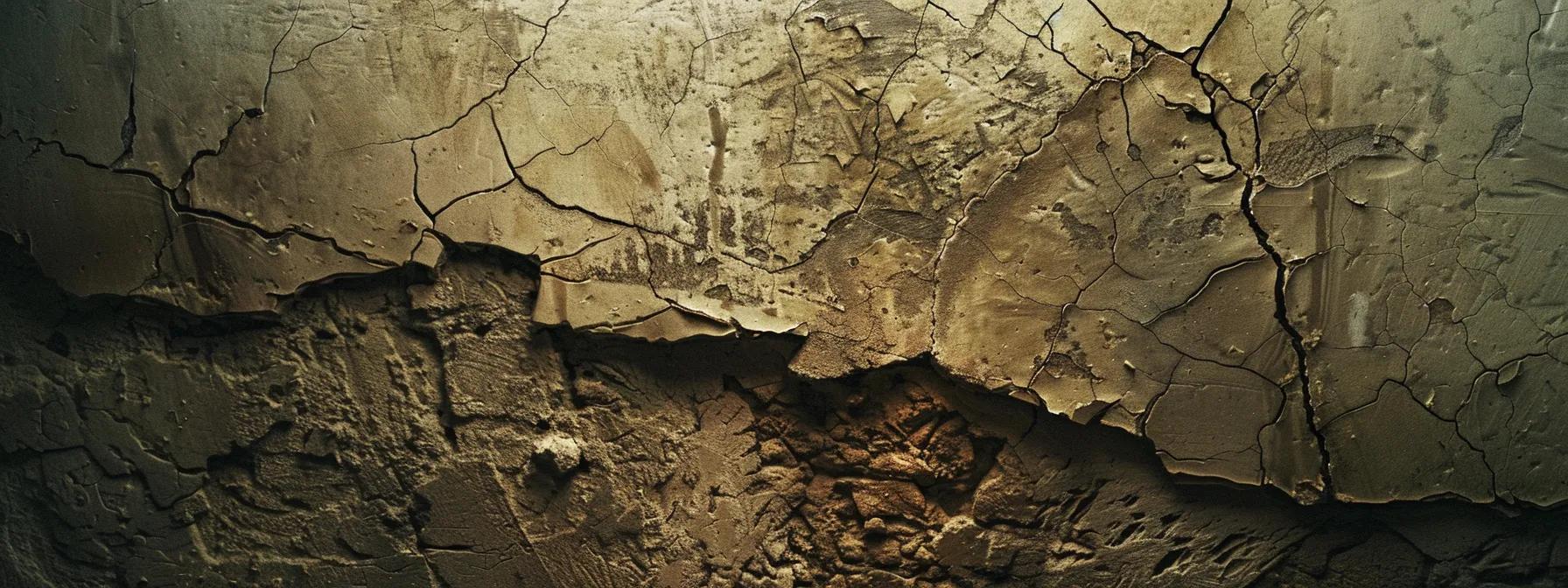
Structural integrity is key when evaluating a basement for water leaks; even minor cracks can be indicative of significant underlying issues. We’ve observed that the appearance and behavior of cracks often suggest water penetration and moisture-related expansion in your foundation.
What Types of Cracks Suggest Water Is Seeping In?
Vertical, diagonal, and step cracks in basement walls or floors may indicate where water is seeping in. We find that horizontal or stair-step cracks, in particular, point to excessive water pressure against the foundation. These types of cracks can widen over time, allowing more water to infiltrate, which compromises the structure’s stability. Early detection and proper repair are essential to avoid further structural damage.
How Does Bowing or Warping Walls Relate to Water Damage?
Bowing or warping walls are signs that water is affecting the structural integrity of your basement. Such deformations occur when water causes materials like concrete or wood to expand irregularly. We observe that when walls begin to bow, it is an indication that the moisture level inside the wall has risen dramatically, weakening the support in the process. This is a serious issue that often requires professional intervention to prevent irreversible damage.
Which Plumbing and Drainage Issues Cause Basement Water Leaks?
Plumbing and drainage failures often lead to basement water leaks by allowing water to accumulate or back up against the foundation. Faulty installations, clogs, or equipment malfunctions in these systems can rapidly exacerbate basement flooding issues.
How Can Faulty Pipes Lead to Basement Flooding?
Faulty or burst pipes are a common culprit behind basement flooding, as they release water directly into the basement space. We have seen that leaks from corroded or damaged pipes can often go unnoticed until a significant volume of water has accumulated. Regular inspections are necessary to ensure that pipes and plumbing connections remain in optimal condition and that small leaks are promptly repaired.
What Role Do Clogged or Broken Gutters Play in Basement Leaks?
Clogged or damaged gutters can overflow and direct water toward the basement instead of away from it. This overflow increases the moisture pressure against your foundation, forcing water to seep through cracks and joints. In our work, preventing gutter clogs through routine maintenance has proven essential to minimize water infiltration and subsequent basement leaks.
How Does a Malfunctioning Sump Pump Affect Basement Water Levels?
A sump pump is critical for managing water levels in a basement by removing excess water from the foundation. When the sump pump malfunctions or fails due to power outages or mechanical issues, water can accumulate rapidly. We have often observed that a non-operational sump pump is one of the most immediate causes of basement flooding during heavy rains, leading to significant water damage if left unchecked.
When Should You Be Concerned About Mold and Mildew Growth in Your Basement?
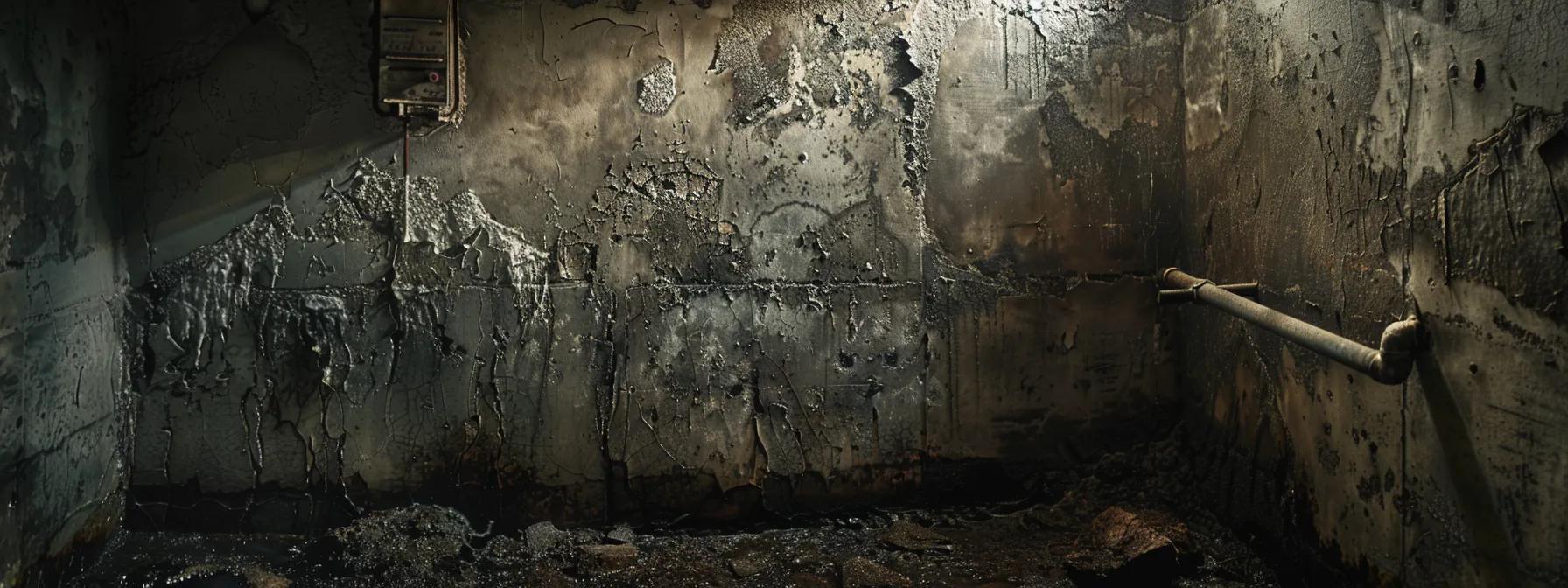
Mold and mildew growth in a basement are red flags for hidden water leaks. The presence of mold can indicate that water has been stagnating for a period, offering an ideal environment for microbial growth, and it is both an aesthetic and health concern.
How Does Mold Growth Signal Hidden Water Leaks?
Mold growth on surfaces in the basement typically signals prolonged moisture exposure, which rarely occurs in a well-maintained, dry environment. We know that mold can begin to develop within 24–48 hours of water exposure, and its presence often indicates a hidden leak within walls or under floors. This visual cue is one of the most reliable indicators that you need to investigate further for basement waterproofing issues.
What Are the Health Risks of Basement Mold?
Basement mold exposure can lead to various health problems, including allergic reactions, respiratory issues, and even neurological effects in severe cases. The spores released by mold often exacerbate asthma and other conditions by triggering immune responses. At Rite Basement Waterproofing Canton Ohio, we not only focus on repairing structural damage but also emphasize mold remediation to safeguard the health of occupants.
How Does Seasonal Weather Affect Basement Leak Indicators in Canton?
Seasonal weather impacts basement leak behavior significantly, with temperature fluctuations and precipitation changes increasing the likelihood of water intrusion. In Canton, Ohio, these factors are critical in understanding when and why basement leaks become more pronounced.
Why Are Basement Leaks More Common After Heavy Rain or Snow?
After heavy rain or snow, the ground becomes saturated, and water pressure against the foundation increases, promoting leaks. We observe that these conditions force water to penetrate weaker areas of the basement’s structure, often resulting in immediate puddling or moisture accumulation. This increased risk is a clear pattern that homeowners in Canton need to monitor vigilantly during and after significant weather events.
How Does Soil Type in Canton Influence Basement Water Intrusion?
The soil composition around your home greatly influences how water drains and accumulates near the foundation. In areas with clay-rich soil, water tends to retain longer due to lower permeability, increasing the risk of basement leaks. We have found that understanding local soil conditions can help in planning effective drainage and waterproofing solutions, ensuring that water is channeled away from the home.
What Are the Best Methods to Inspect and Confirm Basement Water Leaks?
A thorough inspection and analysis are essential tools for identifying the source and extent of basement water leaks. We recommend a systematic approach that utilizes visual inspections and professional diagnostics to ensure accurate assessment.
How to Perform a Visual Basement Inspection for Water Damage
Performing a visual inspection involves carefully scanning the basement for signs such as water stains, cracks, and mold. We advise starting at the ceiling and working down to the floor, checking all corners and hidden spaces behind storage areas. Documenting any anomalies with photos or notes can be especially useful when consulting with a professional waterproofing service.
When Should You Call a Professional Basement Waterproofing Service?
When faced with extensive water damage, visible structural issues, or mold growth, it’s crucial to call in professional help. Our team at Rite Basement Waterproofing Canton Ohio understands the urgency behind these situations and stresses the importance of not ignoring signs of trouble. If your property inspection reveals persistent leaks or if repairs appear to exceed basic fixes, it’s definitely time to seek help from basement waterproofing experts like us. We specialize in comprehensive basement waterproofing services designed to tackle a multitude of problems, ensuring a safe and dry foundation for your home.
Our experienced professionals possess the necessary tools and expertise to thoroughly assess your basement needs. With our basement waterproofing services, we take a proactive approach to remediation and damage prevention, utilizing advanced techniques tailored specifically for your situation. You can trust our team to deliver effective solutions that not only address current issues but also safeguard against future challenges, granting you peace of mind concerning your property’s integrity.
How Can Preventative Measures Help Avoid Basement Water Leaks?
Preventative maintenance plays a crucial role in avoiding basement water leaks. Taking strategic, proactive steps can significantly reduce the risk of water intrusion and protect your home in the long term.
What Are Effective Waterproofing Solutions for Basements?
Effective waterproofing involves both interior and exterior techniques. At Rite Basement Waterproofing Canton Ohio, we recommend solutions such as applying waterproof coatings, installing interior drainage systems like french drains, and sealing foundation cracks with appropriate materials. These methods have been proven to reduce moisture levels by preventing water from entering and accumulating inside the basement.
How Does Regular Maintenance Reduce the Risk of Basement Leaks?
Regular maintenance, including gutter cleaning, sump pump testing, and routine inspections, significantly reduces the risk of basement water leaks. We stress that consistent upkeep not only addresses small issues before they become major problems but also ensures that existing waterproofing systems continue to function effectively. A well-maintained property in Canton can significantly lower the likelihood of unexpected basement flooding and the associated basement waterproofing cost.
List of Common Waterproofing Solutions and Their Benefits
Below is a table summarizing some widely used basement waterproofing solutions and the benefits they offer:
This table outlines various effective waterproofing methods and illustrates how each plays a vital role in maintaining a dry basement and overall structural integrity.
Before implementing these solutions, it is important to assess your specific basement conditions and consult with professionals for an accurate diagnosis.
Frequently Asked Questions
Q: What are the early signs that my basement is leaking water? A: Early signs include water stains, musty odors, and dampness. These simple observations can alert you to potential leaks before serious damage occurs.
Q: How do water stains on basement walls develop? A: Water stains often develop due to leaks from cracks in the foundation or poor drainage systems that cause moisture to slowly seep through walls and floors.
Q: Can minor cracks in the basement really cause significant water leak problems? A: Yes, even small cracks can allow water to enter, and over time, this can lead to larger structural issues and increased water damage.
Q: How does mold in my basement relate to water leaks? A: Mold thrives in damp environments; its presence indicates that the basement is retaining excess moisture, usually the result of hidden water leaks.
Q: What immediate steps should I take if I notice water pooling in my basement? A: First, try to locate and temporarily stop the source of the water. Then, contact a professional basement waterproofing service to conduct a thorough inspection and implement long-lasting repairs.
Q: How frequently should I schedule maintenance to help prevent basement water leaks? A: Regular maintenance should be performed annually, including inspections of gutters, sump pumps, and the overall integrity of basement waterproofing systems.
Q: How can changing weather conditions impact basement water leakage? A: Heavy rain, snow, and soil saturation can all increase water pressure against your basement’s foundation, making leaks more likely during extreme weather events.
Q: What are the health risks if my basement develops mold due to water leaks? A: Prolonged exposure to mold spores can lead to respiratory issues, allergic reactions, and in some cases, more severe health complications, especially for individuals with preexisting conditions.
Q: When should I upgrade my current waterproofing system? A: If you notice recurring water issues despite foundation repair or crawl space repair, especially after heavy weather, it is time to consult professionals for an upgrade or complete overhaul of your basement waterproofing system.
At Rite Basement Waterproofing Canton Ohio, we believe in proactive maintenance and prompt action to prevent water damage. Our extensive experience in basement waterproofing has taught us that vigilant inspection and timely remediation are key to preserving the structural integrity of your home. By keeping a close eye on early warning signs like water stains, musty odors, and cracks, you can prevent costly repairs and ensure a healthy living environment. Together, let’s secure your basement and protect your valuable investment against water damage.