
How to Stop Mold Growth in Basements: Effective Basement Mold Prevention and Waterproofing Solutions in Canton, Ohio
Basement mold is a common but preventable problem caused primarily by excess moisture, and understanding the mechanics of moisture entry is the first step toward a long-term solution. This guide explains what causes mold growth in basements, how waterproofing and moisture-control strategies interrupt the mold lifecycle, and which practical upgrades—like drainage, sump systems, crack repair, encapsulation, dehumidification, and ventilation—are most effective for homes in Canton, Ohio. Homeowners will learn how to identify early signs of mold, prioritize fixes based on risk, and maintain systems so mold does not return. The article maps specific defenses (interior and exterior waterproofing, foundation crack repair, sump pumps and French drains, crawl space encapsulation, and humidity control), compares approaches with clear pros and cons, and outlines when to call a professional for assessment and repair. Throughout, targeted advice for Canton’s climate and soil conditions is woven into preventive steps so readers can choose the most durable solutions for protecting indoor air quality and property value.
What Causes Mold Growth in Basements and Why Is It a Problem?
Basement mold grows when mold spores encounter moisture, organic material, and time; the core drivers are groundwater seepage, plumbing leaks, condensation from high relative humidity, and poor surface drainage. These moisture sources raise relative humidity above the 50–60% threshold that encourages rapid mold colonization, and mold can begin to develop on damp surfaces within 24–48 hours after exposure. Beyond visible staining and musty odors, mold degrades porous materials like drywall and insulation and can lower indoor air quality, aggravating allergies and asthma in sensitive occupants. Detecting and eliminating the moisture source is the primary prevention strategy because removing humidity and water removes the condition mold needs to thrive, which leads naturally into specific mechanisms for moisture accumulation and early warning signs.
How Does Excess Moisture and Humidity Lead to Basement Mold?
Excess moisture creates microenvironments where mold spores settle and metabolize organic materials such as wood, paper, or dust; the mechanism is simple: spores + moisture + food = growth. Condensation forms when warm, humid indoor air contacts cooler basement surfaces, while seepage and leaks introduce liquid water directly to walls and floors, both of which sustain mold colonies. Homeowners often notice a musty odor, peeling paint, efflorescence on masonry, or dark staining along walls and baseboards within days of persistent dampness. Regular humidity monitoring and visual inspection after heavy rains or plumbing events help catch problems early and guide whether ventilation, dehumidification, or waterproofing is required.
What Are the Health Risks and Property Damages from Basement Mold?
Mold exposure can produce allergy-like symptoms—sneezing, coughing, and irritated eyes—and may aggravate asthma or respiratory conditions for vulnerable residents, making mold prevention a public-health as well as structural priority. Property damage includes compromised insulation, rot in framing materials, peeling paint, and deterioration of finishes that can lead to costly repairs and reduced resale value. Authorities such as the EPA and CDC recommend addressing moisture at the source and remediating affected materials when contamination is significant; acting early minimizes both health risk and long-term repair costs. Given Canton’s seasonal humidity and precipitation patterns, proactive moisture control reduces repeated remediation cycles and preserves indoor air quality year-round.
How Can Basement Waterproofing Prevent Mold Growth?
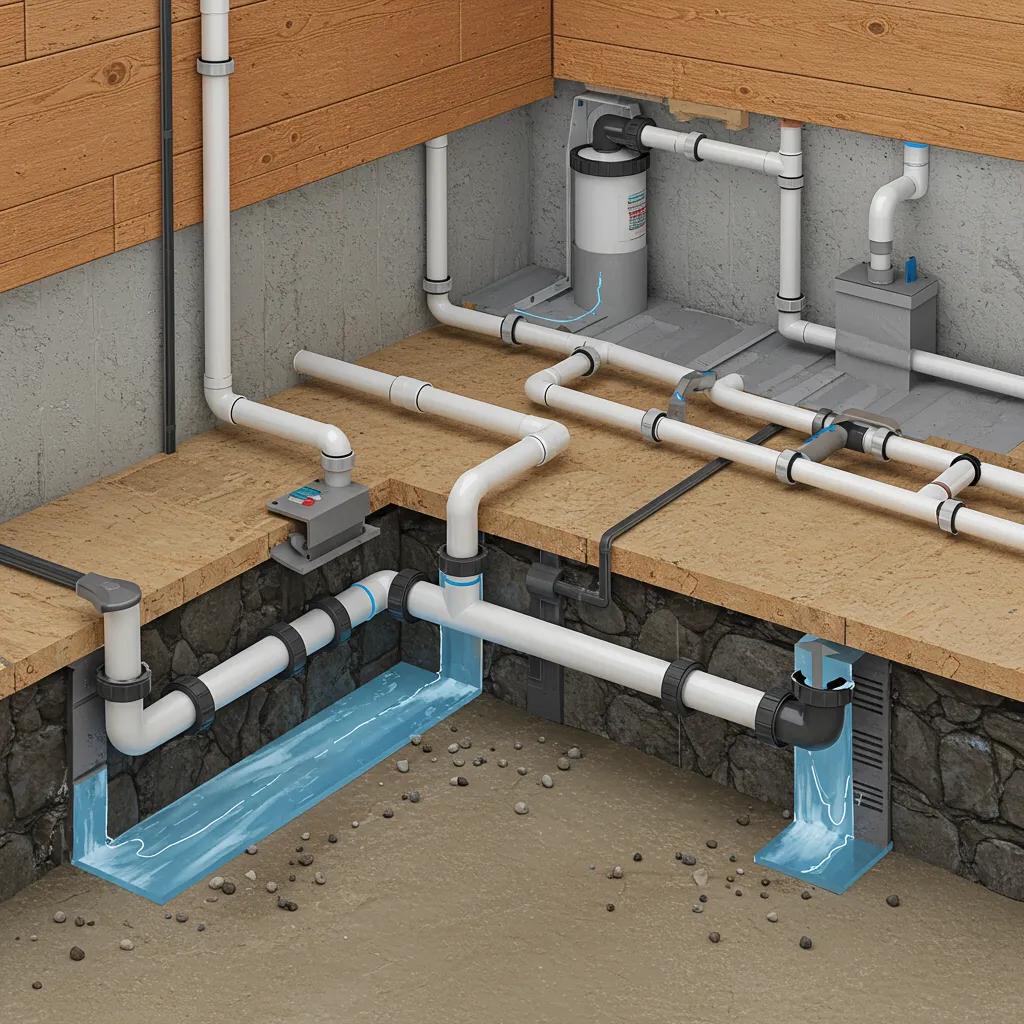
Waterproofing prevents mold by diverting water away from the foundation, removing water that reaches the interior, sealing pathways for vapor and liquid, and maintaining dry conditions so spores cannot establish. Effective waterproofing combines surface grading and gutters to divert runoff, exterior membranes or French drains to stop groundwater, interior drainage channels and sump systems to remove infiltrating water, and sealants or vapor barriers to limit condensation and vapor intrusion. Choosing the right approach depends on the source of moisture—surface runoff versus hydrostatic seepage—so a targeted solution that addresses the dominant mechanism will deliver the best mold-prevention outcome. The next subsections describe interior versus exterior strategies in practical terms and compare their effectiveness.
Different waterproofing approaches vary in how they interrupt moisture pathways and how suitable they are for mold prevention. The table below compares common approaches by method and expected impact on mold risk.
This comparison shows that combining diversion (exterior) with removal (interior) often produces the most resilient defense against basement mold by addressing both supply and retention of moisture.
What Interior Waterproofing Methods Stop Mold in Basements?
Interior waterproofing methods include installing a perimeter drainage channel at the base of foundation walls, routing collected water to a sump pit, and using sump pumps to discharge water away from the building footprint. Vapor barriers and interior-grade sealants reduce moisture migration through concrete and masonry, lowering the relative humidity that fuels condensation and surface mold. These interior systems are particularly effective when groundwater enters intermittently or when exterior excavation is impractical; however, they require ongoing pump maintenance and periodic inspection to ensure continuous operation. Properly designed interior waterproofing lowers the residence time of water and supports dehumidification strategies that together minimize mold growth.
How Do Exterior Waterproofing Solutions Like French Drains Help Mold Prevention?
Exterior waterproofing tackles groundwater before it reaches foundation walls by grading soil away from the house, maintaining gutters and downspouts, and installing French drains and waterproof membranes to lower hydrostatic pressure. A French drain—gravel-filled trench with perforated pipe—captures and redirects subsurface water away from the foundation, preventing wall saturation and the capillary rise that stores moisture in masonry. Exterior fixes tend to be longer-lasting and reduce the load on interior systems, making them a strategic investment for homes with persistent seepage or high water tables. For many Canton properties, combining exterior drainage improvements with targeted interior removal systems provides the most durable mold-prevention outcome.
For homeowners who want professional help, Rite Basement Waterproofing Canton Ohio offers both interior and exterior waterproofing systems tailored to local conditions; the company is local, licensed, and insured, and can evaluate whether an interior drainage system, a French drain, or a combination is the right approach for your basement. Their local expertise helps match solutions to Canton soil and climate patterns while keeping a focus on minimizing conditions that allow mold to grow.
How Does Basement Crack Repair Stop Water Entry and Mold Growth?
Foundation and wall cracks act like conduits for groundwater and can concentrate moisture in localized areas, creating ideal niches for mold colonization where organic materials contact damp masonry. Repairing cracks—using injection methods, sealing, or exterior excavation—stops water ingress and removes the persistent moisture source that sustains mold, reducing both humidity near the crack and the chance of recurring fungal growth. Identifying crack type and activity level guides the repair method: static hairline cracks respond to sealants or epoxy, while active structural or pressure-driven cracks may need polyurethane injection or exterior stabilization. Proper repair is often paired with drainage improvements so that fixes address both the symptom (the crack) and the underlying water pressure driving it.
Why Are Foundation Cracks a Major Mold Risk in Canton Basements?
Local Canton conditions—seasonal freeze-thaw cycles, variable groundwater levels, and soil movement—can accelerate crack formation and make existing cracks expand during wet periods, increasing the frequency of seepage. Hydrostatic pressure pushes water through the path of least resistance; a crack provides that path and can produce damp patches that persist between rains. Homeowners should look for concentrated efflorescence, wet streaks, or bulging plaster adjacent to cracks as indicators of active moisture entry. When visual signs or recurring dampness appear, a professional inspection helps determine whether repair plus drainage improvement is required to prevent mold recurrence.
What Are Effective Basement Crack Repair Techniques for Mold Prevention?
Common crack repair techniques include epoxy injection for structural stabilization, polyurethane foam injection for sealing active leaks, and exterior excavation with membrane application for severe or repeated seepage problems. Epoxy restores structural continuity and is effective for static cracks, while polyurethane expands to fill moving joints and create a flexible waterstop against active leaks. Exterior excavation and membrane installation address the source of water penetration but are more invasive and are typically reserved for severe hydrostatic cases. Combining repair with a nearby interior drainage system or French drain reduces re-exposure risk and provides a multi-layered defense against mold.
Rite Basement Waterproofing Canton Ohio performs foundation and crack repair services and can provide a free on-site estimate and flexible payment plans to help homeowners in Canton choose the appropriate repair strategy for mold prevention. Their local service model enables targeted repairs combined with drainage fixes that lower the chance of repeat moisture issues.
What Role Do Sump Pumps and Drainage Systems Play in Mold Prevention?
Sump pumps and drainage systems remove water that reaches the interior or accumulates around the foundation, thereby preventing standing water and lowering the humidity that allows mold spores to germinate. Effective systems include properly sized submersible pumps, battery backups to maintain operation during power outages, and exterior French drains that reduce groundwater pressure before it reaches the foundation wall. Regular testing, maintenance, and alarm systems ensure the pump functions when needed, and pairing mechanical removal with dehumidification keeps basements dry and inhospitable to mold. The following subsections describe pump features and the complementary role of French drains in exterior moisture control.
Different pump types and drainage configurations deliver distinct performance characteristics relevant to mold prevention; the table below summarizes common options and their practical benefits.
This comparison highlights that combining reliable pump hardware with redundancy and exterior drainage yields the best protection against mold by minimizing both water volume and residence time.
How Does Sump Pump Installation Protect Basements from Flooding and Mold?
A sump pit and pump collect water from interior perimeter drains and discharge it away from the foundation, preventing pooling that promotes mold growth; the mechanism directly removes moisture before it spreads. Submersible pumps are commonly chosen for their high flow capacity and quiet operation, while pedestal pumps offer simpler serviceability for lower-flow needs. Incorporating battery backup systems and float alarms reduces the risk that power loss or pump failure will lead to prolonged wetness, which is when mold most readily takes hold. Scheduled maintenance—testing the pump monthly and confirming the discharge path is clear—ensures continuous protection and supports long-term mold prevention.
Why Are French Drains Essential for Exterior Basement Moisture Control?
French drains installed at the foundation footing collect subsurface flow and route it away from the house, lowering the water table adjacent to the foundation and reducing hydrostatic pressure that forces moisture through walls. In many Canton homes with heavy soils or poor grading, exterior drains paired with downspout extensions and corrected slopes are the most reliable long-term fix to stop repeated seepage. Maintenance includes keeping the outlet clear and monitoring for siltation; when correctly installed, French drains significantly reduce the load on interior sump systems and cut the frequency of wetting events that lead to mold. Combining exterior diversion with interior removal provides layered resilience against moisture-driven mold problems.
Rite Basement Waterproofing Canton Ohio installs and services sump pumps and exterior drainage systems, offering solutions that include battery backup options and maintenance recommendations to keep Canton basements dry and mold-free. Their technicians can assess the right pump capacity and drainage layout for each property to minimize mold risk.
How Can Crawl Space Encapsulation and Humidity Control Prevent Mold?
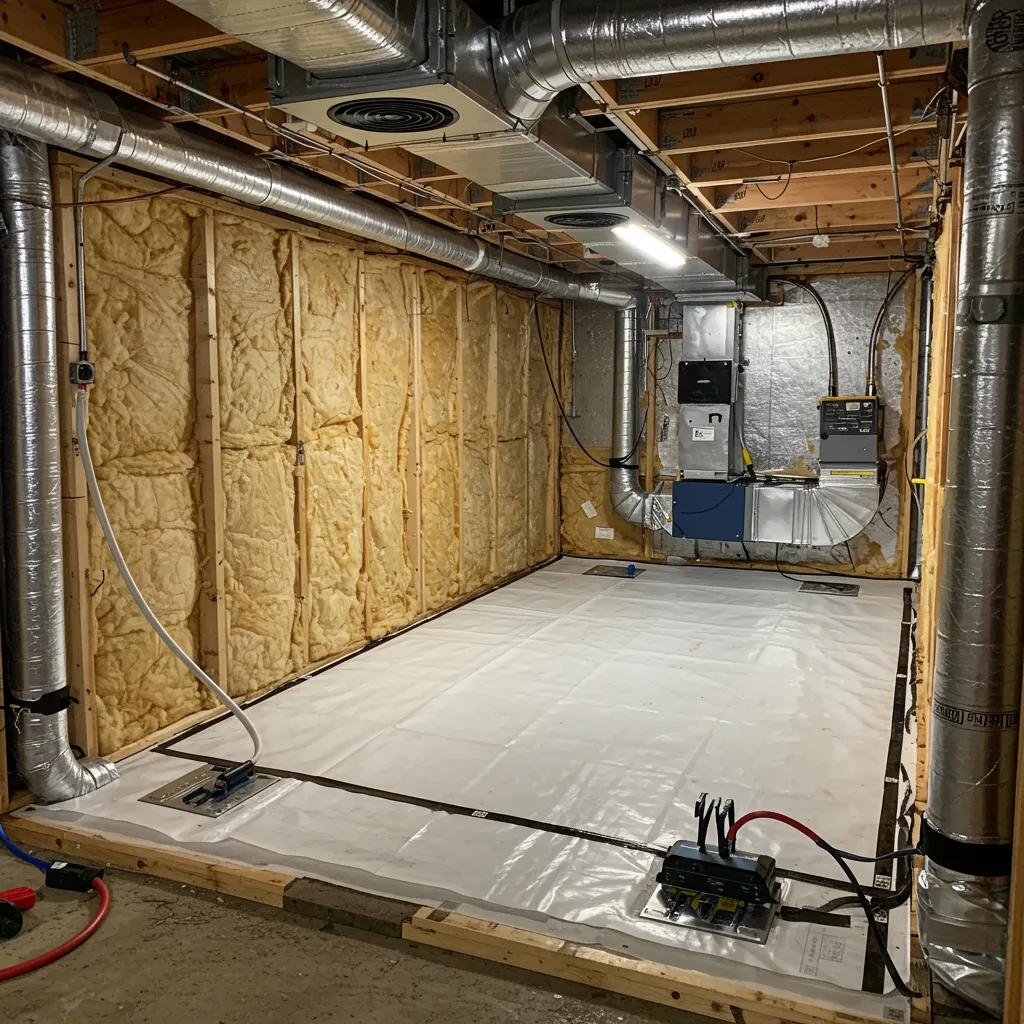
Crawl space encapsulation creates a controlled barrier that limits soil moisture from entering the living space and helps stabilize relative humidity, thereby removing a key substrate for mold development. Encapsulation typically involves a continuous vapor barrier on the ground and walls, sealing vents, and adding insulation where needed to control temperature differentials that cause condensation. When encapsulation is combined with mechanical dehumidification or improved ventilation, the enclosed space stays within target RH ranges, improving indoor air quality and reducing the transfer of dampness into the home above. The next subsections describe encapsulation components and the role of dehumidifiers in maintaining mold-resistant conditions.
What Is Crawl Space Encapsulation and How Does It Stop Mold?
Crawl space encapsulation installs a thick polyethylene vapor barrier over the soil, seals vents and penetrations, and often adds conditioned air or ducting so moisture-laden air is not drawn into living spaces. The barrier prevents soil moisture from migrating upward and reduces relative humidity in the crawl space—eliminating the damp surfaces that mold needs to thrive. Encapsulation also protects insulation and joists from rot and helps stabilize subfloor temperatures, which reduces condensation risk. Periodic inspection of the barrier and drainage features ensures long-term effectiveness and supports complementary humidity control measures.
The table below compares common humidity-control options for basements and crawl spaces, showing capacity and typical application.
This comparison helps homeowners choose whether a portable unit, whole-house integration, or encapsulation combined with a dehumidifier best matches their mold-prevention goals.
How Do Dehumidifiers and Ventilation Help Maintain Mold-Free Basements?
Maintaining indoor relative humidity below 50–60% prevents most common molds from proliferating, so dehumidifiers and ventilation help by lowering moisture content in the air and reducing condensation on cool surfaces. Portable dehumidifiers are effective for targeted spaces and are easier to maintain, while whole-house or integrated dehumidifiers handle larger volumes and provide steady humidity control across connected areas. Ventilation strategies—such as exhaust fans near moisture sources and ensuring air circulation across cold walls—reduce stagnant zones where mold might establish. Regular monitoring with a hygrometer, scheduled filter changes, and cleaning condensate lines are necessary maintenance steps to keep these systems performing and preventing mold resurgence.
Controlling Crawl Space Moisture and Mold Growth with Ventilation and Ground Covers
The relative humidity of the air in crawl spaces is the most critical factor concerning mould growth in the structures of a crawl space. Possible contamination in the crawl space might be transported indoors if the pressure inside the apartment is lower. The objective of the study was to find out the important properties of ground covers and the optimal air change rates for the controlling of moisture conditions in an outdoor air-ventilated crawl space in a cold climate and to estimate the acceptability of current moisture conditions in respect of material durability.
When Should You Call a Professional for Basement Mold Prevention in Canton, Ohio?
Call a professional when you observe active leaks, structural cracks with moisture, persistent musty odors, repeated mold after DIY fixes, or water incursions following flooding—these red flags indicate that the moisture source is beyond typical homeowner remedies. Professionals provide diagnostic services (moisture mapping, visual inspection, and system design) and can recommend a durable combination of repairs—exterior drainage, crack repair, interior drainage, pump installation, and encapsulation—tailored to Canton-specific soil and climate drivers. Engaging a licensed contractor reduces trial-and-error fixes, secures warranties for installed systems, and ensures that both visible mold and hidden moisture pathways are addressed to prevent recurrence. The next subsections explain the attributes to look for in a service provider and the practical steps to obtain an estimate.
What Makes Rite Basement Waterproofing Canton Ohio the Trusted Mold Prevention Expert?
Rite Basement Waterproofing Canton Ohio is a local, licensed, and insured contractor that offers comprehensive basement waterproofing services including interior and exterior waterproofing, basement crack and foundation repair, crawl space encapsulation, sump pump installation, and French drain installation. Their local focus means systems are designed with Canton soil, drainage, and seasonal conditions in mind, while licensing and insurance provide customers with accountability and protection during projects. The company provides free estimates and flexible payment plans, which can make professional, long-term solutions more accessible to homeowners facing mold and moisture challenges. Choosing a contractor with these attributes helps ensure the work directly mitigates the moisture mechanisms that lead to mold.
How Can You Get a Free Estimate and Flexible Payment Plans for Mold Prevention Services?
To get a free estimate, expect a professional visit or remote consultation where the contractor inspects drainage patterns, foundation conditions, and interior humidity issues, then provides a written scope of recommended work, costs, and expected timelines. The estimate typically outlines prioritized actions—such as immediate crack sealing or pump installation—along with longer-term exterior drainage investments and maintenance plans that reduce mold risk over time. Flexible payment plans available from contractors can help homeowners phase work or manage larger investments without compromising on durable, mold-preventive solutions. Ask for documentation of licensing, insurance, and clear warranty or service terms to ensure the proposed measures deliver the intended mold-prevention outcomes.
- Inspect: Request a professional inspection to identify moisture sources and immediate risks.
- Compare: Review written estimates that outline both short-term fixes and long-term prevention.
- Plan: Choose staged or combined interventions (repairs + drainage + dehumidification) that fit budget and risk tolerance.
These steps help homeowners secure a practical, professionally backed plan that prevents mold by eliminating the moisture problem at its source.
Frequently Asked Questions
What are the early signs of mold growth in basements?
Early signs of mold growth in basements include musty odors, visible mold spots on walls or ceilings, and damp or discolored areas on surfaces. Homeowners may also notice peeling paint, efflorescence on masonry, or increased humidity levels. Regular inspections, especially after heavy rains or plumbing issues, can help identify these signs early. Addressing moisture sources promptly is crucial to prevent mold from establishing and spreading, as mold can begin to grow within 24-48 hours of exposure to moisture.
How often should I inspect my basement for mold?
It is advisable to inspect your basement for mold at least twice a year, ideally in spring and fall. However, more frequent inspections are recommended after heavy rainfall, plumbing leaks, or significant humidity changes. During inspections, look for signs of moisture, such as water stains, condensation, or musty odors. Regular monitoring helps catch potential mold issues early, allowing for timely intervention and maintenance of a dry, healthy environment in your basement.
Can I prevent mold growth with DIY methods?
While some DIY methods can help reduce mold growth, such as using dehumidifiers, improving ventilation, and sealing cracks, they may not be sufficient for severe moisture issues. Homeowners can take proactive steps like regularly cleaning gutters, ensuring proper drainage, and using mold-resistant paints. However, for persistent problems or significant water intrusion, consulting a professional is recommended to implement effective, long-term solutions tailored to your specific situation and local conditions.
What is the role of humidity control in mold prevention?
Humidity control is critical in preventing mold growth, as mold thrives in environments with relative humidity above 60%. Using dehumidifiers, ensuring proper ventilation, and sealing moisture entry points can help maintain indoor humidity levels below 50%. Regular monitoring with a hygrometer can assist in tracking humidity levels. By controlling humidity, homeowners can significantly reduce the likelihood of mold colonization and improve overall indoor air quality, creating a healthier living environment.
How can I choose the right waterproofing solution for my basement?
Choosing the right waterproofing solution involves assessing the specific moisture issues in your basement. Consider factors such as the source of moisture (e.g., groundwater seepage, condensation), the severity of the problem, and your budget. Common options include interior drainage systems, exterior French drains, and vapor barriers. Consulting with a professional can provide tailored recommendations based on your basement’s unique conditions, ensuring effective moisture management and mold prevention.
What maintenance is required for sump pumps and drainage systems?
Regular maintenance of sump pumps and drainage systems is essential for effective mold prevention. This includes testing the pump monthly to ensure it operates correctly, clearing any debris from the sump pit, and checking the discharge line for blockages. Additionally, inspect drainage systems for silt buildup and ensure that gutters and downspouts are functioning properly. Scheduling annual professional inspections can help identify potential issues before they lead to water accumulation and mold growth.
When is it necessary to hire a professional for mold issues?
Hiring a professional is necessary when you encounter persistent mold growth, visible water damage, or structural issues that DIY methods cannot resolve. If you notice active leaks, significant moisture problems, or repeated mold after attempts to remediate, a professional can provide a thorough assessment and recommend effective solutions. Engaging an expert ensures that underlying moisture sources are addressed, reducing the risk of mold recurrence and protecting your home’s integrity.
Conclusion
Preventing mold growth in basements is essential for maintaining a healthy living environment and protecting property value. By implementing effective waterproofing solutions, homeowners can significantly reduce moisture levels and the risk of mold colonization. Engaging with local experts ensures tailored strategies that address specific climate and soil conditions in Canton, Ohio. Take the first step towards a mold-free basement by exploring our professional services today.